Top 10 Travel Safety Tips
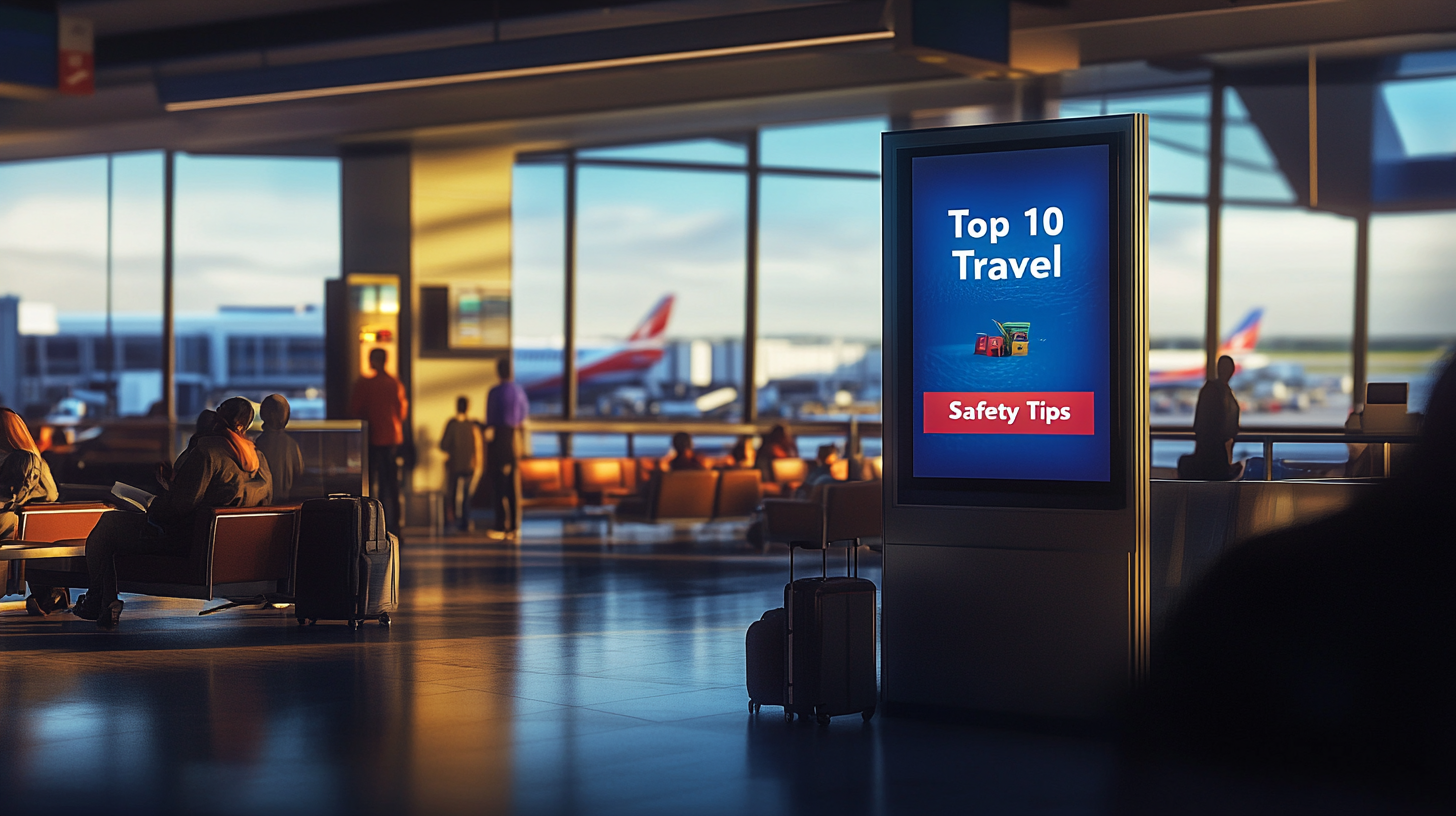
Traveling opens up a world of adventure, new cultures, and unforgettable experiences. However, amidst the excitement, it’s essential to prioritize safety to ensure your journey is as smooth and enjoyable as possible. Whether you’re a seasoned traveler or planning your first trip abroad, these top 10 travel safety tips will help you stay secure and make the most of your adventures.
1. Research Your Destination Thoroughly
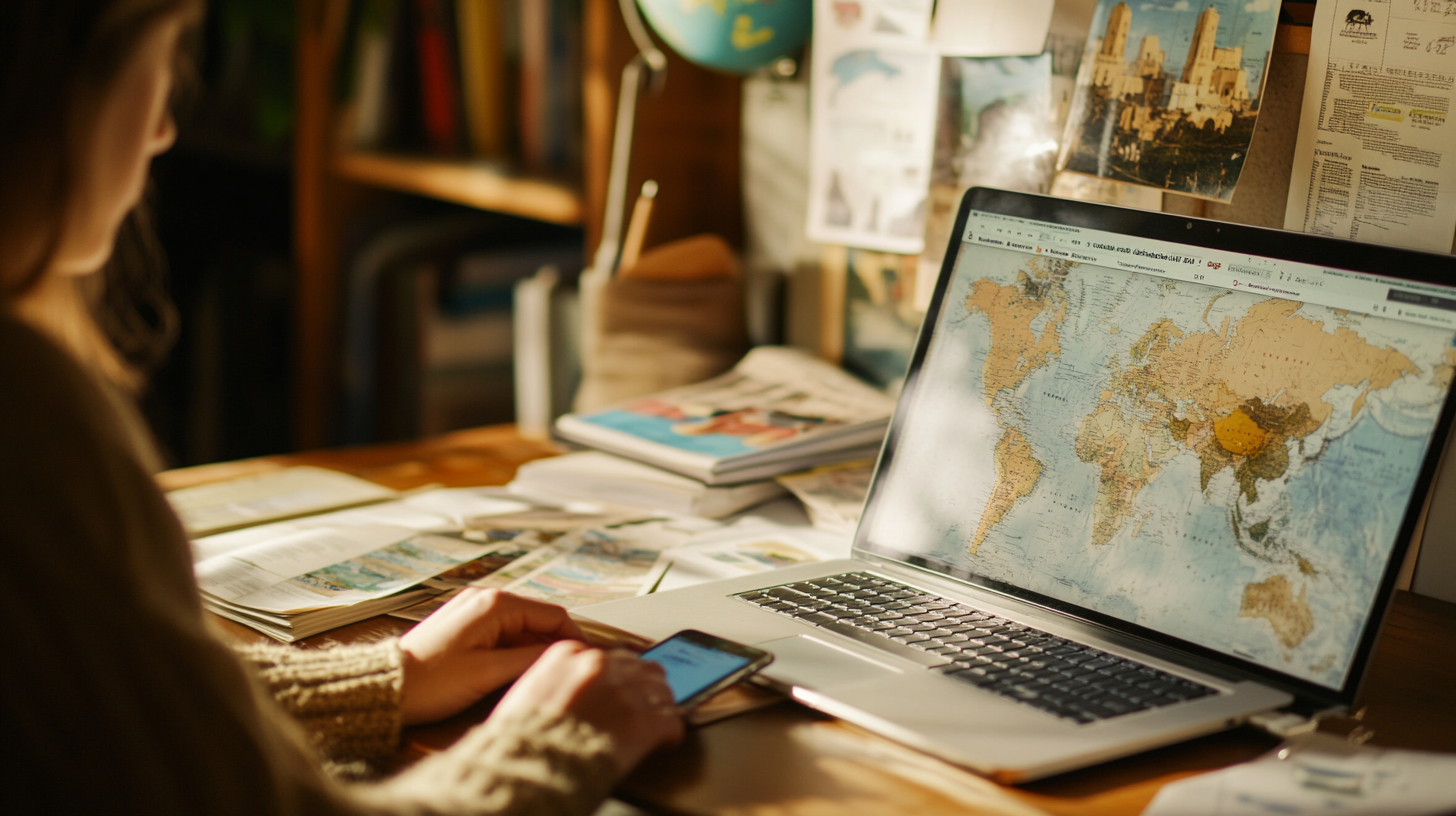
Before embarking on your trip, take the time to research your destination comprehensively. Understanding the local culture, customs, and laws can prevent unintentional offenses and enhance your travel experience. Familiarize yourself with common travel scams in the area and learn how to avoid them.
Check official government websites for travel advisories and updates. The U.S. Department of State’s travel advisories provide up-to-date information on safety concerns worldwide. Being informed about political climates, health risks, and entry requirements is crucial for international travel safety.
Additionally, reading travel blogs and forums can offer firsthand insights. Websites like Lonely Planet and TripAdvisor host communities of travelers who share valuable tips and experiences. Engaging with these resources can prepare you for what to expect upon arrival.
Understanding the geography of your destination helps, too. Knowing the locations of your country’s embassy or consulate, local hospitals, and police stations can be invaluable in emergencies. Save these important contacts in your phone and keep physical copies handy.
2. Keep Copies of Important Documents
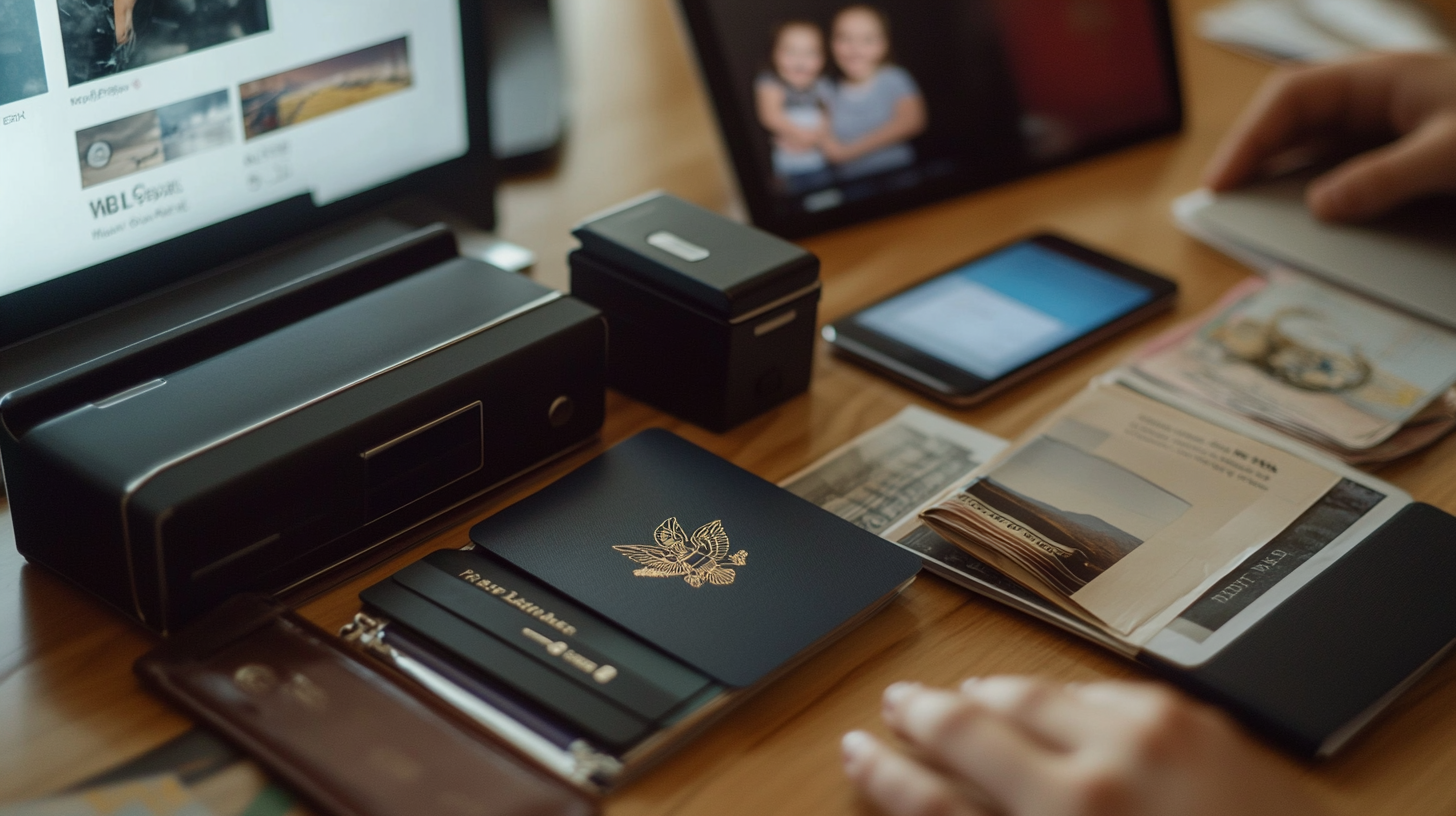
Your passport, visas, travel insurance documents, and identification are vital when traveling. Losing them can lead to significant complications. To mitigate this risk, make both physical and digital copies of all essential documents. Store digital copies securely in cloud services like Dropbox or Google Drive for easy access from anywhere.
Carry physical copies separately from the originals. For example, keep your passport in a hotel safe and carry a photocopy when exploring. This practice not only safeguards against loss or theft but also speeds up the process of obtaining replacements if necessary.
Inform a trusted family member or friend about your travel plans and provide them with copies of your documents. In emergencies, they can assist you by contacting local authorities or your embassy on your behalf.
Remember to secure your documents against cyber threats. Use strong passwords for your online accounts and consider encryption for sensitive files. Staying vigilant about document security is a key travel safety tip that can’t be overlooked.
3. Stay Connected with Reliable Communication
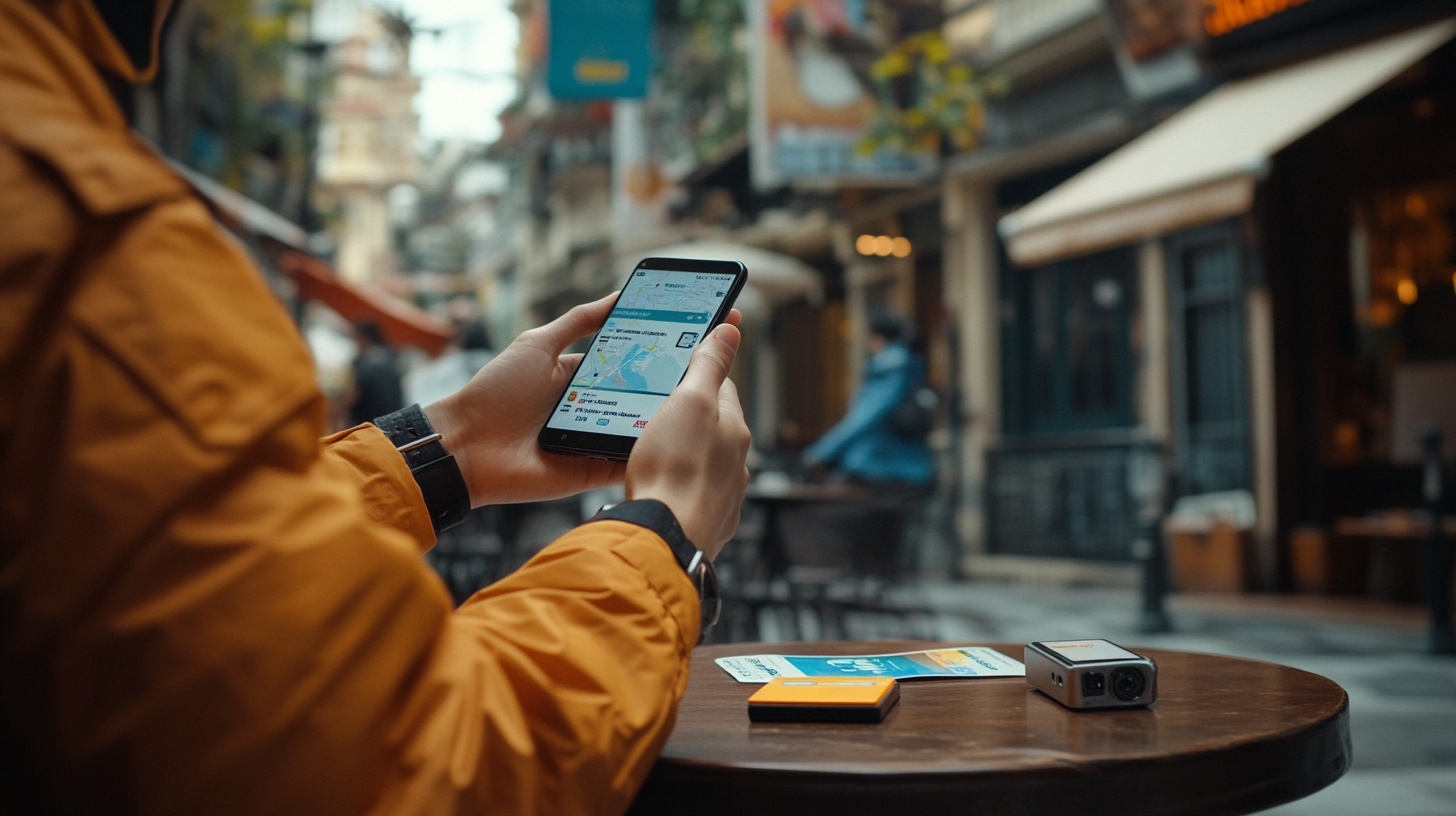
Having a dependable means of communication is essential for safety while traveling. Before departure, check if your mobile phone will work at your destination. Consider purchasing an international roaming plan or a local SIM card upon arrival to stay connected without incurring excessive fees.
Download essential travel apps that work offline, such as maps and translation tools. Apps like Maps.me offer offline maps, which can be a lifesaver when navigating unfamiliar places without internet access.
Establish regular check-in times with someone at home. Let them know your itinerary and agree on how often you’ll update them. This practice ensures that someone is aware of your whereabouts and can alert authorities if they lose contact with you unexpectedly.
In areas with limited connectivity, consider carrying a satellite phone or a personal locator beacon (PLB). Devices like SPOT Satellite Communication provide tracking and emergency messaging services, offering an extra layer of safety during remote adventures.
4. Be Aware of Your Surroundings

Staying alert and observant is one of the most fundamental travel safety strategies. Pay attention to the people around you and trust your instincts if a situation feels off. Avoid distractions like excessive phone use in public spaces, which can make you a target for theft or worse.
Learn to recognize common signs of danger, such as unusual crowd behavior or individuals exhibiting suspicious actions. In crowded places, keep your belongings secure and in front of you. Pickpockets often exploit crowded tourist spots and public transportation.
If you’re traveling alone, especially at night, stick to well-lit and populated areas. Share your location with a trusted contact using apps like WhatsApp, which allows you to stay connected with family and friends worldwide. Group tours can also provide added safety in unfamiliar environments.
Avoid wearing flashy jewelry or displaying expensive equipment openly. Modesty can help you blend in and reduce unwanted attention. Remember, awareness is your first line of defense against potential threats.
5. Secure Your Accommodation

Choosing safe accommodation is crucial. Research hotels or rental properties thoroughly before booking. Look for reviews that mention safety features and the security of the neighborhood. Websites like Airbnb’s Trust & Safety page provide information on measures taken to protect guests.
Upon arrival, check the room’s security features. Ensure that doors and windows lock properly. According to a travel safety expert cited by The Scottish Sun, always request two room keys. This tactic can signal to potential observers that you are not alone, enhancing your personal security.
Use the hotel safe for valuables, but remember that safes aren’t infallible. For added security, consider using portable door locks or alarms, which can alert you to unauthorized entry.
Familiarize yourself with emergency exits and evacuation routes. In case of fire or other emergencies, knowing how to quickly exit the building can be lifesaving. Keep a flashlight handy in your room for emergencies.
If you’re staying in shared accommodations like hostels, secure your belongings in lockers using a personal lock. Be cautious about divulging personal information to strangers you meet in these settings.
6. Protect Your Health

Health is a significant aspect of travel safety. Before your trip, consult with a healthcare professional about necessary vaccinations and health advisories for your destination. The Centers for Disease Control and Prevention (CDC) Travelers’ Health site offers comprehensive information on health precautions.
Purchase travel health insurance that covers medical emergencies, evacuation, and repatriation. Understand the terms of your policy and carry proof of insurance with you. In some countries, medical treatment can be denied without upfront payment or proof of insurance.
Pack a travel health kit with essentials like prescription medications, over-the-counter remedies, and first-aid supplies. Keep medications in their original containers and bring copies of prescriptions. This preparation ensures you have access to necessary treatments and can assist medical professionals in emergencies.
Be mindful of food and water safety. Consume bottled or purified water and dine at reputable establishments. Understanding local health risks, like mosquito-borne illnesses, and taking preventative measures can keep you healthy during your travels.
7. Use Registered Transportation Services
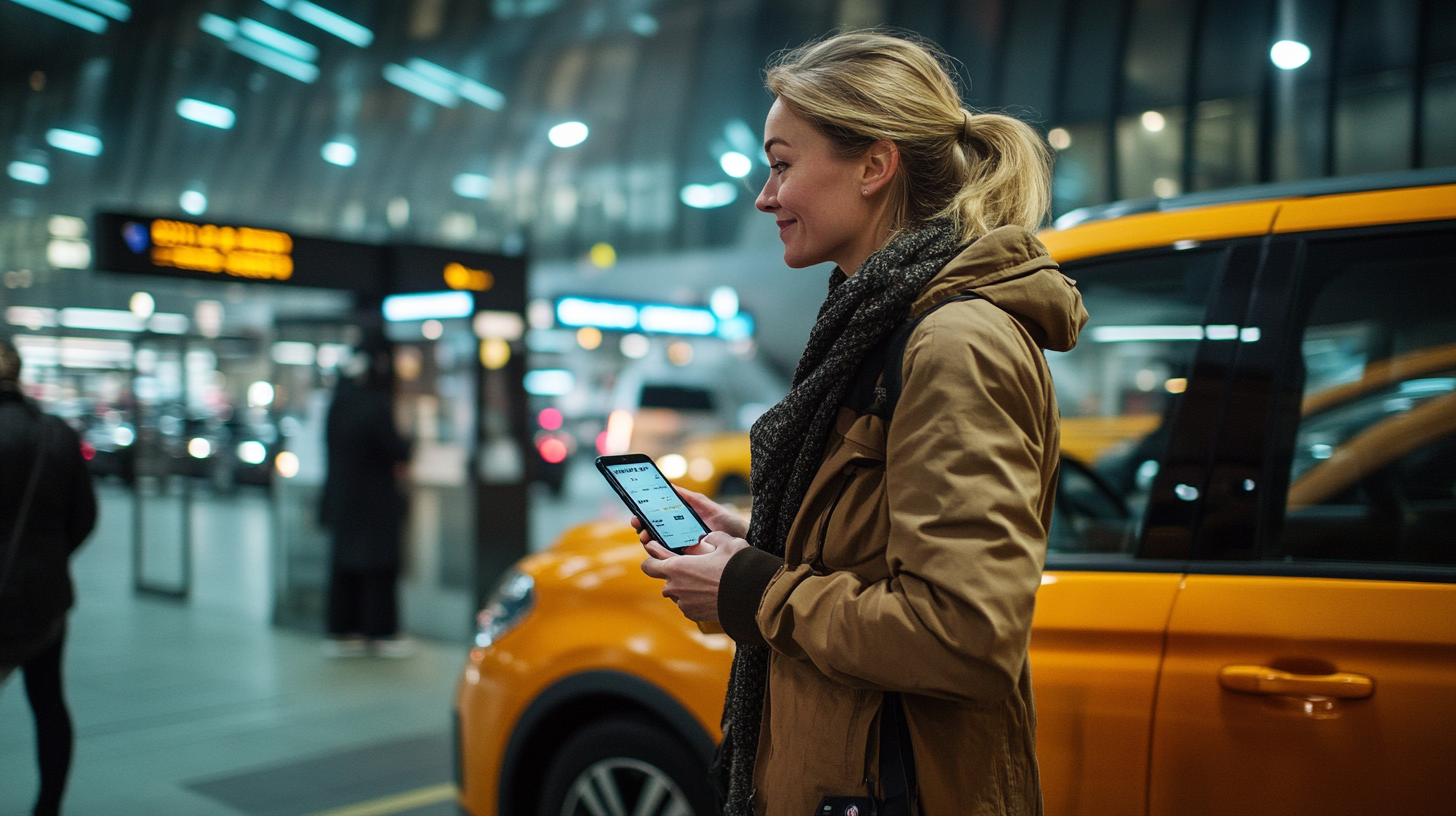
Transportation is another critical area for travel safety. Use reputable and registered services whenever possible. At airports, use official taxis or pre-arranged transportation from your accommodation. Apps like Uber and Lyft are available in many countries and offer an added layer of security through ride-tracking features.
If renting a vehicle, familiarize yourself with local traffic laws and driving conditions. Ensure that your driver’s license is valid in the destination country or obtain an International Driving Permit if necessary. Verify that the rental car is in good condition and that you understand the insurance coverage.
When using public transportation, be aware of your surroundings and keep personal items secure. Avoid traveling alone late at night, and if possible, choose transportation options that are well-lit and populated.
For adventure activities like boating or trekking, use operators that are licensed and have positive safety records. Do not hesitate to ask about safety equipment and protocols before engaging in any activities.
8. Monitor Local News and Alerts

Staying informed about local developments can significantly enhance your safety. Regularly check local news sources and weather updates. Situations can change rapidly due to political unrest, natural disasters, or health outbreaks.
Consider registering with your country’s embassy or consulate through programs like the Smart Traveler Enrollment Program (STEP) offered by the U.S. Department of State. This free service allows authorities to contact you in case of emergencies or provide evacuation assistance if necessary.
Social media can also be a valuable tool for real-time updates. Follow reputable local news outlets, government agencies, and travel advisories. However, be cautious of misinformation and verify critical information through official channels.
Adjust your plans accordingly if you receive alerts about unsafe conditions. Flexibility can be a crucial component of travel safety, allowing you to avoid potential hazards by altering your itinerary.
9. Practice Safe Money Handling
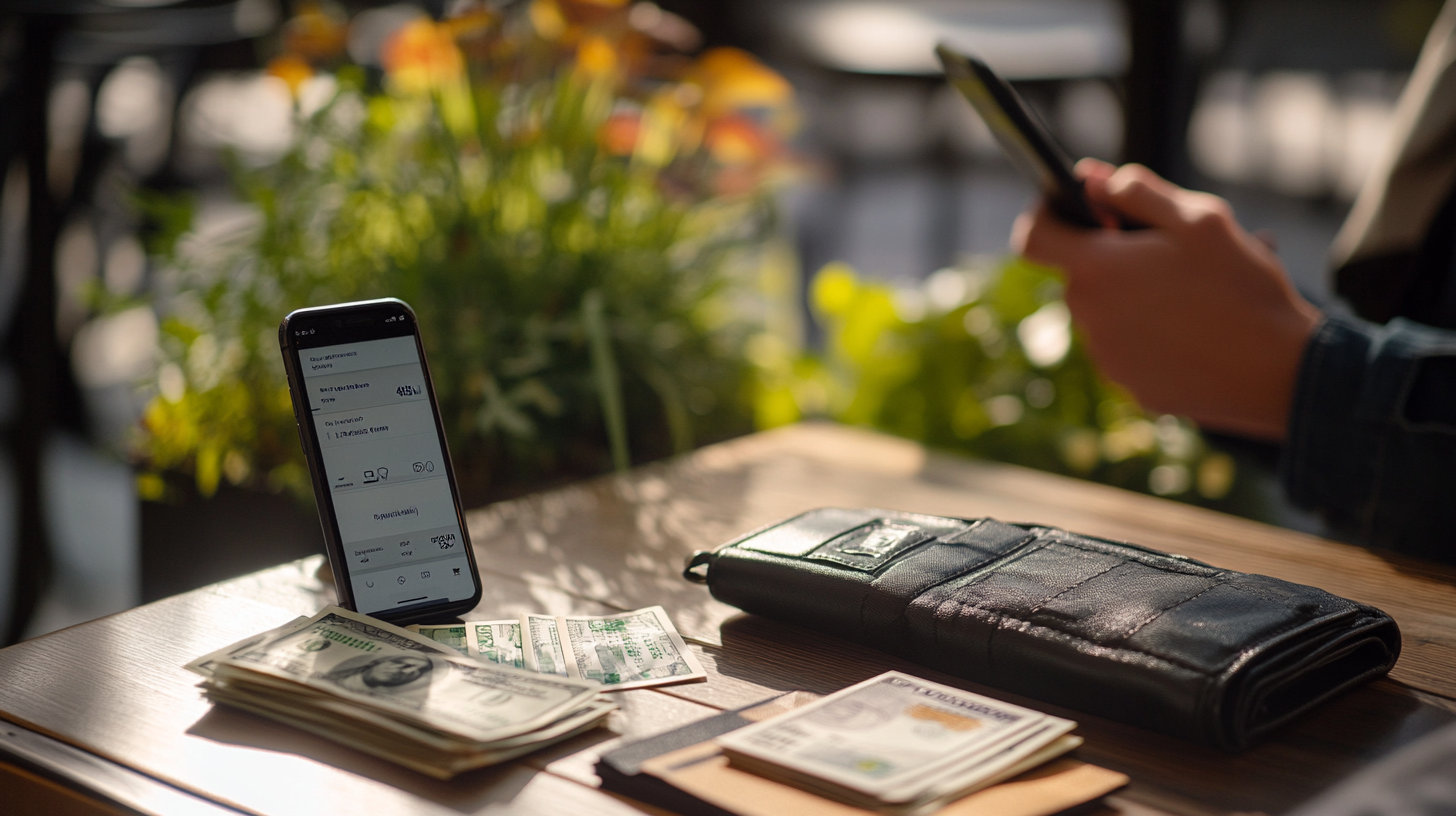
Financial security is essential while traveling. Carry only the cash you need for the day and keep the rest secure. Use credit or debit cards cautiously, and notify your bank of your travel plans to prevent unexpected card freezes due to suspicious activity.
Use ATMs located inside banks or well-lit areas to reduce the risk of skimming devices or theft. Cover the keypad when entering your PIN and be aware of your surroundings. Consider using travel money cards that allow you to preload funds and are not linked directly to your bank account.
Keep emergency funds in a separate location, such as a hidden pocket or a secure travel belt. This reserve can be vital if your wallet is lost or stolen, providing you with access to cash while you resolve the situation.
Be cautious when exchanging currency. Use reputable exchange services and avoid street vendors offering unusually favorable rates, as they may be scams or involve counterfeit money.
10. Trust Your Instincts and Stay Confident
Your intuition is a powerful tool for staying safe. If a situation or person makes you feel uncomfortable, remove yourself promptly. Confidence can deter potential threats, so walk with purpose and remain aware of your environment.
If you’re traveling with friends, maintaining open communication is key. Setting expectations and discussing safety plans together can enhance your group’s security. For advice on keeping friendships strong during travel, read this article on Traveling with Friends from Verywell Mind.
Avoid sharing too much personal information with strangers. Be polite but cautious in conversations, especially when topics turn to your travel plans, accommodations, or personal history. This discretion can protect you from those who might use the information with ill intent.
In the digital age, be mindful of what you share on social media. Posting real-time updates about your location can inadvertently alert others to your movements. Consider delaying posts until after you’ve left a location.
Finally, educate yourself on basic self-defense techniques and consider carrying personal safety devices like whistles or alarms. While hoping never to need them, being prepared can provide peace of mind and an extra layer of protection.
Final Thoughts

Traveling the world is an enriching experience that should be enjoyed to the fullest. By following these top 10 travel safety tips, you can minimize risks and focus on creating lasting memories. Remember that preparation, awareness, and vigilance are your best allies on any journey.
For more in-depth travel advice and destination guides, visit our other posts at BoardingArea. Safe travels!