Holiday Travel Scams to Avoid
The holiday season is fast approaching—a time filled with joy, family reunions, festive celebrations, and the excitement of travel. However, amidst the cheerful spirit of planning your perfect holiday getaway, there lurks an unfortunate reality: a significant uptick in sophisticated travel scams targeting unsuspecting travelers.
As we prepare for the festivities of 2024, it’s more important than ever to stay informed and vigilant. From too-good-to-be-true travel deals to fraudulent charities exploiting goodwill, scammers are employing advanced tactics to capitalize on the holiday rush. In this comprehensive guide, we’ll delve into the most prevalent holiday travel scams of 2024 and equip you with actionable strategies to safeguard your holiday experiences, ensuring they remain joyous and scam-free.
1. The Rise of AI-Enhanced Phishing and Smishing Attacks

In 2024, scammers have significantly upgraded their arsenal by leveraging artificial intelligence to craft highly convincing phishing (email) and smishing (SMS) attacks. These deceptive messages are meticulously designed to mimic communications from legitimate sources, exploiting the surge in holiday shopping and travel activities. Personalized phishing emails and text messages may include fake shipping notifications, urgent travel updates, or alerts about unexpected account activity during travel, enticing recipients to click malicious links or divulge sensitive personal information.
Cybersecurity expert Eric O’Neill emphasizes the importance of critical scrutiny: “Scammers are using AI to create emails and texts that are almost indistinguishable from genuine communications. Always double-check for subtle misspellings or inconsistencies in emails and websites.” O’Neill also recommends utilizing trusted resources like the Better Business Bureau’s Scam Tracker to verify the legitimacy of businesses and charities.
Protection Tips:
- Avoid clicking on links or downloading attachments from unsolicited or suspicious emails and texts.
- Verify the sender’s email address or phone number carefully for any discrepancies.
- Contact companies directly using official contact information provided on their legitimate websites.
- Be wary of any communication that pressures you into immediate action or requests sensitive information.
In the digital age, AI-enhanced phishing scams and advanced smishing attacks are becoming increasingly sophisticated. It’s crucial to arm yourself with holiday travel cybersecurity tips to recognize phishing emails and protect your personal information.
2. Beware of Fake E-Commerce and Travel Websites Offering Unrealistic Deals

The internet is flooded with websites that look strikingly similar to legitimate e-commerce and travel booking platforms. Scammers create these fake websites to lure in consumers with unbelievably low prices on flights, accommodations, and holiday packages. These sites often appear through enticing social media ads or promotional emails, offering limited-time offers that urge quick action.
According to reports from the Federal Trade Commission’s latest data on travel fraud, travel-related scams have surged, with common schemes involving fake airline deals and fraudulent vacation rentals. In particular, cloned websites may even display security badges or use web addresses that closely resemble those of reputable companies, making it challenging to discern their true nature.
Protection Tips:
- Always verify the URL of the website you’re visiting; look for secure connections indicated by “https://” and a padlock icon.
- Be cautious of deals that seem too good to be true—they often are.
- Read customer reviews and ratings on trusted platforms before making any purchases.
- Use a reliable Virtual Private Network (VPN) service for secure browsing when researching travel deals.
Fake travel booking sites are on the rise, making it essential to be vigilant in identifying cloned websites. Secure online shopping practices and verifying travel deals authenticity can help protect you from falling victim to these scams.
3. Charity and Donation Scams During the Holidays
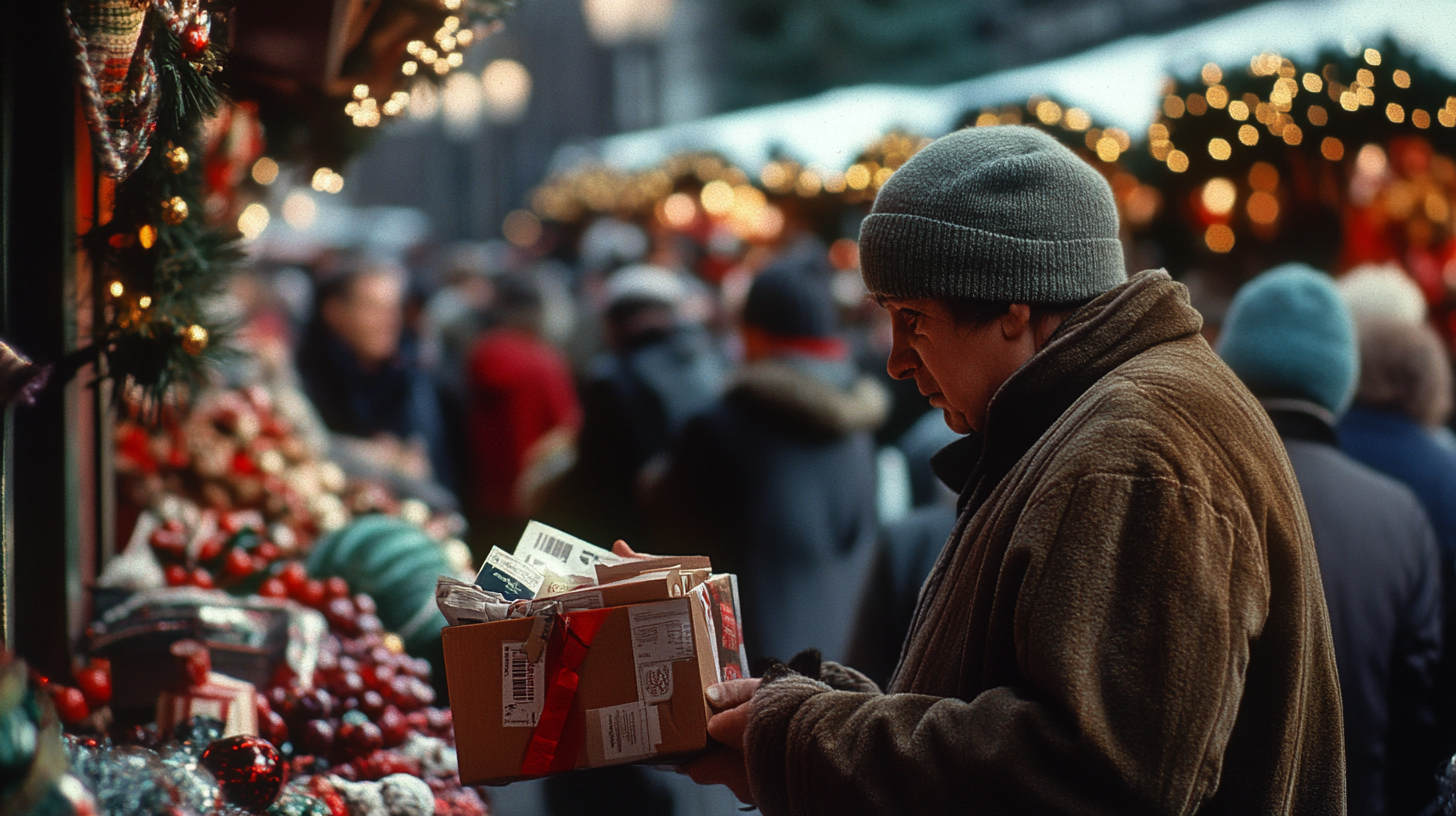
The holidays are synonymous with generosity and giving back to the community. Unfortunately, scammers exploit this goodwill through sophisticated charity frauds, posing as reputable organizations and making heartfelt appeals for donations. With AI-generated content, these fake charities can create convincing websites and promotional materials that fool even the most discerning donors.
Eric O’Neill advises, “Before donating, use resources like Charity Navigator’s charity evaluation tool to confirm the legitimacy of an organization. Fraudsters often create a sense of urgency to prevent you from doing proper research.”
Protection Tips:
- Be skeptical of unsolicited donation requests, especially those that demand immediate action.
- Avoid donating through links sent via email or social media messages; instead, go directly to the charity’s official website.
- Be wary of charities that request payment via gift cards, wire transfers, or cryptocurrency.
- Consult with a financial advisor experienced in charitable donations for significant contributions.
Recognizing charity scams is crucial during the holiday season. Verifying legitimate charities and ensuring safe holiday donations can help you avoid fraudulent solicitations and make a positive impact.
4. Package Delivery and QR Code Scams

With the exponential increase in online shopping, especially during the holidays, package delivery scams have become more rampant. Scammers send fake shipping notifications via email or text messages, prompting recipients to click on malicious links to “track” a package or resolve a delivery issue. These links often lead to phishing sites designed to steal login credentials or install malware on your device.
Furthermore, the misuse of QR codes has emerged as a modern scam tactic. Fraudsters distribute QR codes through flyers, emails, or even stickers placed over legitimate codes in public places. Scanning these codes can redirect you to fraudulent websites or initiate unauthorized downloads.
Protection Tips:
- Track your packages using tracking numbers provided by the official retailer or shipping company.
- Avoid clicking on links in unsolicited shipping notifications; access your accounts directly through official websites or apps.
- Be cautious when scanning QR codes from unfamiliar sources or in public places.
- Install reputable antivirus software on your devices for an added layer of protection.
Package delivery phishing scams and QR code fraud protection are essential considerations during the holiday season. Avoiding fake shipping notifications and using secure package tracking methods can help keep your information safe.
5. Travel Deal Scams and Fraudulent Vacation Rentals
The allure of discounted travel deals and luxurious vacation rentals at unbeatable prices is a common hook used by scammers during the holiday season. These fraudulent offers often require upfront payments and pressure you to act quickly to secure the deal. Victims may find upon arrival that their accommodation doesn’t exist or is significantly different from what was advertised.
The Federal Trade Commission’s guidelines on spotting travel scams highlight key red flags, such as requests for unconventional payment methods and unsolicited offers. Andrew Rayo from the FTC cautions, “Legitimate travel companies won’t force you to decide on the spot. Take your time to verify the details before making any commitments.”
Protection Tips:
- Use well-known and reputable travel booking platforms with buyer protection policies.
- Research the rental property and read reviews from previous guests.
- Communicate with property owners through the booking platform’s official messaging system.
- Pay using credit cards, which offer fraud protection and the ability to dispute charges.
Avoiding travel deal scams and verifying vacation rental legitimacy are crucial steps in ensuring safe travel booking practices. Recognizing fraudulent travel offers can save you from potential financial loss and disappointment.
6. Public Wi-Fi Risks and ATM Skimming
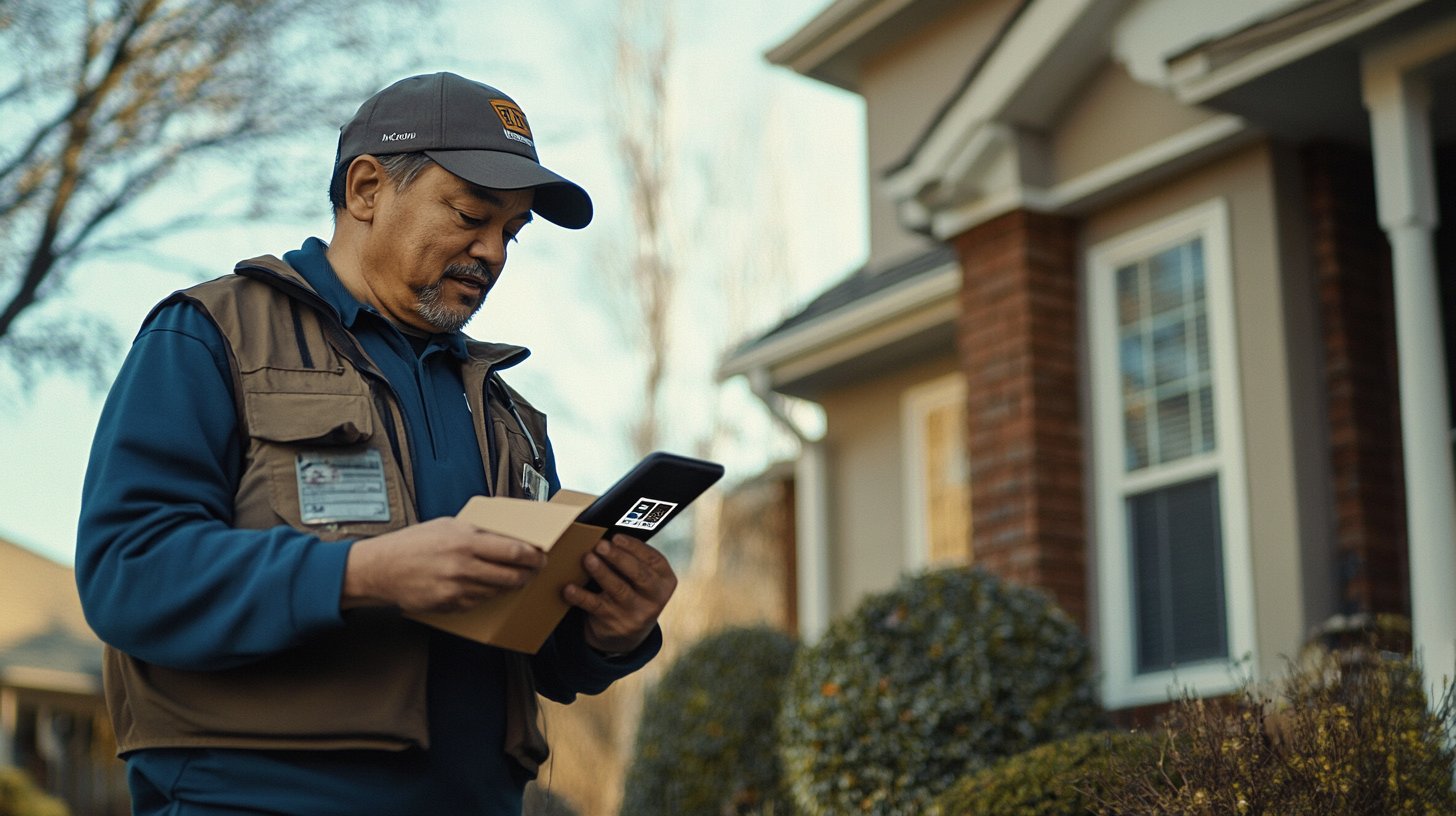
Staying connected while traveling often means relying on public Wi-Fi networks in airports, hotels, and cafes. However, these networks are typically unsecured and can be a hotbed for cybercriminal activity. Hackers can easily intercept data transmitted over public Wi-Fi, gaining access to your personal information, including login credentials and financial details.
ATM skimming is another prevalent scam where criminals install discreet devices on ATMs to capture card information and PINs. These skimmers can be difficult to detect and are often placed on ATMs in high-traffic tourist areas.
Protection Tips:
- Avoid accessing sensitive information, like banking or email accounts, over public Wi-Fi networks.
- Use a trusted VPN service to secure your internet connection when using public Wi-Fi.
- Choose ATMs located inside banks or well-monitored areas.
- Inspect ATMs for any unusual features or attachments before use.
- Cover the keypad when entering your PIN to shield it from hidden cameras.
Public Wi-Fi security risks and preventing ATM skimming are important considerations for travelers. Ensuring a secure internet connection while traveling and protecting financial transactions abroad can help safeguard your personal information.
7. Social Media Oversharing and Location Sharing

While it might be tempting to share your holiday excitement on social media, oversharing can lead to unintended consequences. Publicly posting real-time updates about your travel plans or location can alert burglars to your empty home or make you a target for scams aimed at tourists.
Scammers may use information gleaned from social media to craft personalized attacks or identity theft attempts. Additionally, some insurance policies may have clauses that could void your coverage if a burglary occurs after you’ve advertised your absence.
Protection Tips:
- Adjust your social media privacy settings to limit who can see your posts.
- Refrain from posting specific travel dates or detailed itineraries publicly.
- Share vacation photos and updates after you’ve returned home.
- Be cautious about using location tagging features on social platforms.
Social media privacy during travel is essential to avoid risks of location sharing. Protecting your home while on vacation and practicing secure social networking can help prevent potential security breaches.
8. Taxi Overcharges, Ride-Sharing Scams, and Transportation Safety

Transportation scams can quickly turn a joyous trip into a frustrating experience. Common scams include taxi drivers taking unnecessarily long routes, claiming meters are broken, or charging inflated flat rates. In some destinations, unlicensed drivers may pose as legitimate taxi or ride-sharing services, potentially compromising your safety.
Ride-sharing apps have also seen scams, such as drivers requesting payments outside the app or using fake profiles. It’s crucial to stay informed and cautious when arranging transportation in unfamiliar locations.
Protection Tips:
- Research average transportation costs in your destination beforehand.
- Use established ride-sharing apps and verify driver details before getting into the vehicle.
- If using a taxi, ensure the meter is running or agree on a fare before the trip starts.
- Carry small bills to avoid issues with “lack of change” scams.
- Stay alert and monitor the route using a GPS app.
Avoiding taxi scams and practicing safe ride-sharing are essential for transportation safety. Recognizing unlicensed transportation services can help ensure a secure and pleasant travel experience.
9. Fake Emergencies, Grandparent Scams, and Impersonation Fraud

Emotional manipulation is a powerful tool for scammers, and the “grandparent scam” is a prime example. Fraudsters contact individuals pretending to be a family member in distress—often a grandchild—claiming they’ve been arrested, hospitalized, or stranded while traveling. They urgently request money to be sent immediately, preying on the victim’s concern and desire to help.
Impersonation fraud can also extend to scammers posing as government officials, such as police officers or embassy staff, demanding fines or fees to resolve fabricated issues.
Protection Tips:
- Remain calm and skeptical if contacted about an emergency involving a loved one.
- Verify the caller’s identity by asking questions only the real person would know.
- Reach out to other family members or friends to confirm the situation.
- Never send money or provide financial information without thorough verification.
- Report such incidents to local law enforcement authorities.
Preventing grandparent scams and recognizing impersonation fraud are vital in protecting against emotional manipulation scams. Verifying emergency requests can help safeguard your finances and peace of mind.
10. Protecting Your Identity and Financial Information While Traveling
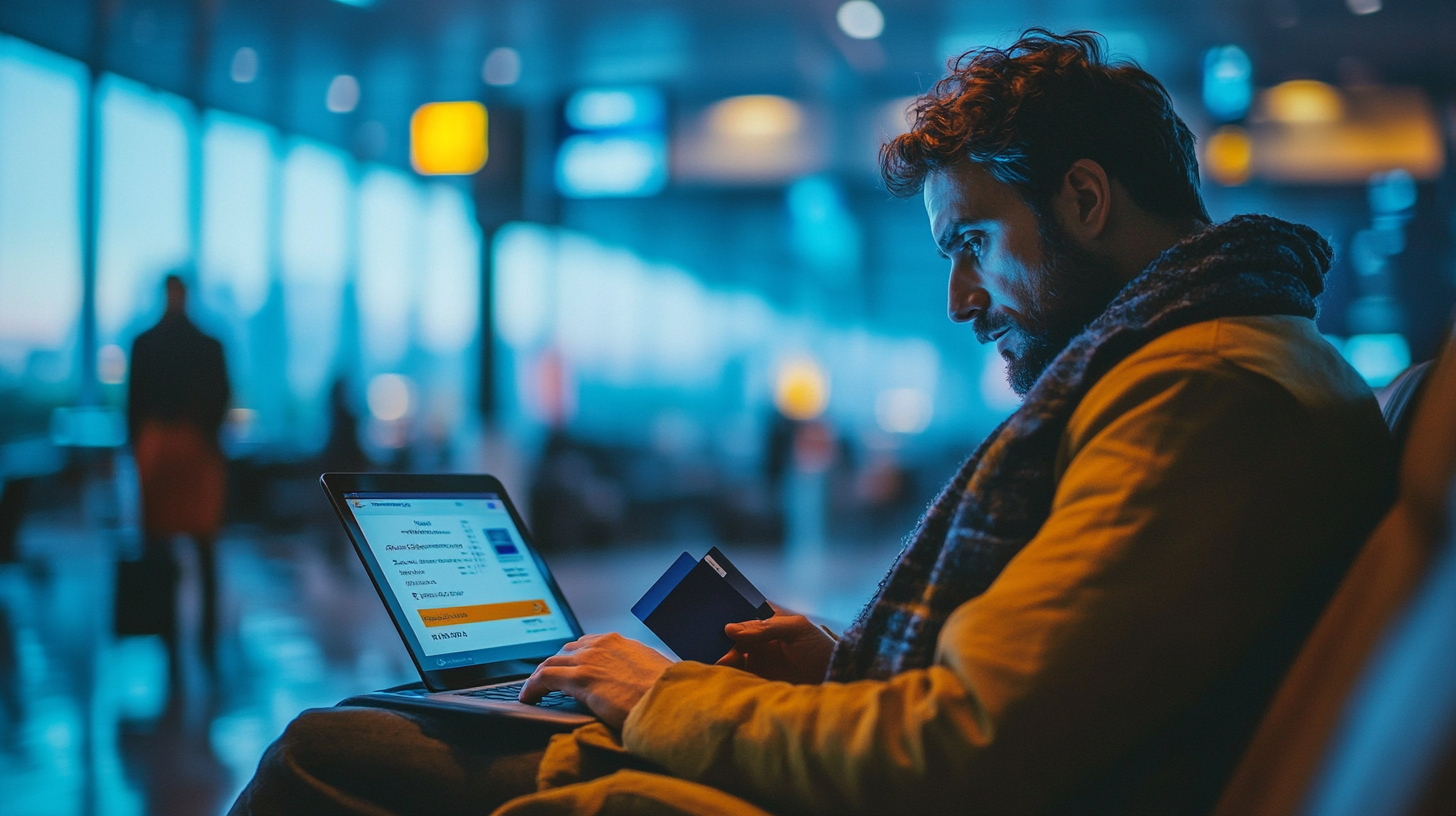
Identity theft remains a significant risk, particularly during the bustling holiday season when personal transactions peak. Scammers employ various methods to steal your identity, such as skimming devices, phishing attempts, and even dumpster diving for discarded documents containing personal information.
Additionally, the practice known as “juice jacking” involves cybercriminals compromising public USB charging stations to extract data from connected devices or install malware.
Protection Tips:
- Use strong, unique passwords for all your accounts and enable multifactor authentication.
- Regularly monitor your bank statements and credit reports for unfamiliar activity.
- Consider using an identity protection service that offers real-time fraud alerts.
- Shred documents containing sensitive information before disposal.
- Avoid using public USB charging stations; instead, carry a portable charger or use an electrical outlet with your own charger.
- Keep your personal documents, passports, and credit cards secure and only carry what you need.
Identity theft protection while traveling is crucial to prevent juice jacking and safeguard personal information on holiday. Using identity protection services abroad can provide an extra layer of security.
Final Thoughts

The holiday season is a cherished time meant for relaxation, exploration, and creating lasting memories with loved ones. Navigating the landscape of potential scams may seem daunting, but by staying informed and implementing proactive measures, you can significantly reduce your risk of falling victim to fraudulent activities.
Remember to trust your instincts, thoroughly verify sources, and prioritize the security of your personal and financial information. With vigilance and the right precautions, you can focus on enjoying your travels and embracing the true spirit of the holidays. For more updates on travel security and tips to safeguard your holiday plans, consider exploring related articles with us over at BoardingArea. Safe travels this holiday season!


















Recent Stories
-
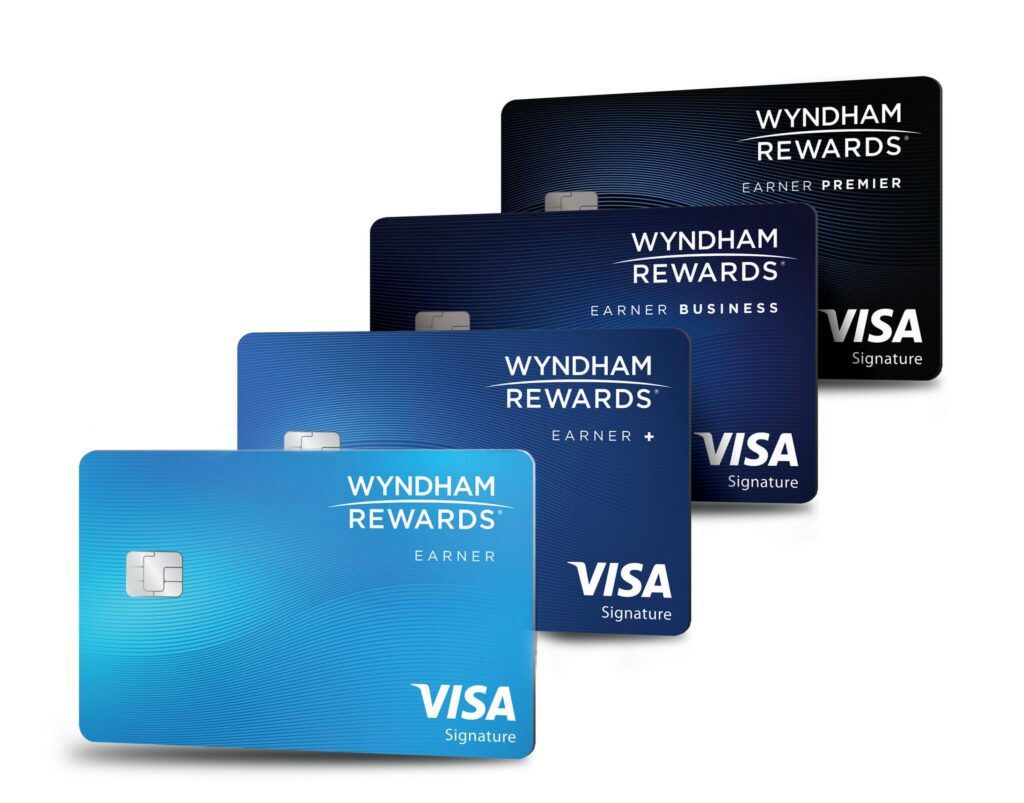 Wyndham Launches New Premium Card, Refreshes Existing Cards
June 18, 2026
Wyndham Launches New Premium Card, Refreshes Existing Cards
June 18, 2026
-
 Hyatt House / Hyatt Place LAX Century Boulevard Hotel Review
June 18, 2026
Hyatt House / Hyatt Place LAX Century Boulevard Hotel Review
June 18, 2026
-
Uh Oh: Is American Airlines Charging Elite Members More? Viral Screenshot Raises Surveillance Pricing Fears
June 18, 2026
-
 Review: Royal Jordanian Business Class Embraer E190-E2 (AMM-FRA)
June 18, 2026
Review: Royal Jordanian Business Class Embraer E190-E2 (AMM-FRA)
June 18, 2026
Reviews
-
Hyatt House / Hyatt Place LAX Century Boulevard Hotel Review
June 18, 2026
-
 Flight Review: Air China Domestic Business Class CAN-TSN
June 18, 2026
Flight Review: Air China Domestic Business Class CAN-TSN
June 18, 2026
-
 Flight Review: United Airlines Boeing 777-200 First Class – ORD-SFO
June 17, 2026
Flight Review: United Airlines Boeing 777-200 First Class – ORD-SFO
June 17, 2026
-
 Review: Air Premia Boeing 787-9 Dreamliner – Tokyo Narita to Seoul Incheon
June 17, 2026
Review: Air Premia Boeing 787-9 Dreamliner – Tokyo Narita to Seoul Incheon
June 17, 2026