The holiday season is a time of joy, celebration, and travel. As families and friends come together, many of us take to the skies to reach our loved ones or explore new destinations. However, amidst the excitement, the hustle and bustle of crowded airports and overbooked flights can lead to increased stress and a heightened risk of lost luggage.
In fact, according to Statista, over 2.7 million bags were mishandled in 2023, marking a slight decrease from 2.85 million in 2022. The possibility of your luggage not arriving at your destination remains a concern during the holiday rush.
But fear not! By taking proactive and strategic steps, you can significantly reduce the chances of your luggage going missing and ensure a smoother, more enjoyable journey. This comprehensive guide provides effective strategies to prevent lost luggage during the holiday season, so you can focus on what truly matters: enjoying your trip and creating lasting memories.
Pack Smart: The Foundation of Luggage Security
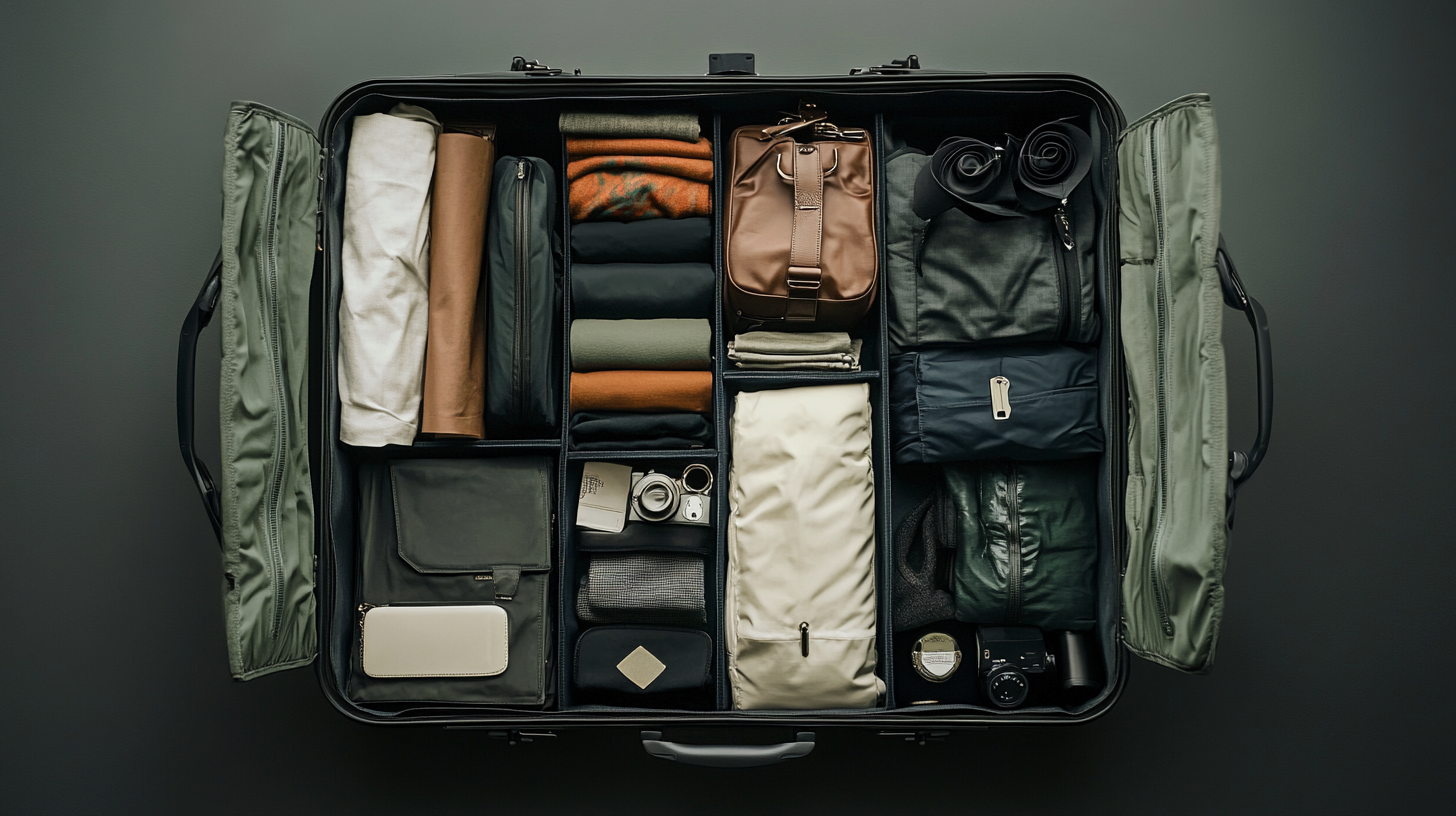
Packing wisely is the cornerstone of safeguarding your belongings when traveling. A well-thought-out packing strategy not only keeps your items organized but also minimizes the risk of loss or damage. By being intentional about what you bring and how you pack it, you can navigate the challenges of holiday travel with confidence. Here are some essential tips to consider:
1. Opt for Carry-On Only Whenever Possible One of the simplest and most effective ways to avoid losing your luggage is to travel with carry-on bags only. Keeping your essentials and valuables—such as medications, electronics, important documents, and a change of clothes—with you at all times minimizes risk. This approach also saves you time at check-in and upon arrival, as you won’t need to wait at the baggage carousel. To make the most of your carry-on space, pack versatile clothing that can be layered and mixed and matched, and utilize packing cubes to organize your items efficiently. For tips on maximizing carry-on space, see How to Pack a Carry-On Bag Like a Pro for Any Trip.
2. Pack All Essentials and Valuables in Your Carry-On If you must check a bag, ensure that all essential and irreplaceable items are packed in your carry-on. This includes valuables such as jewelry, important documents like passports and itineraries, critical medications, and electronics like laptops and cameras. By keeping these items with you, you reduce the impact of a potential luggage delay or loss. Be mindful of airline carry-on restrictions on liquids and prohibited items to avoid any issues at security checkpoints. For detailed information on carry-on regulations, refer to Comprehensive Guide to Airline Carry-On Baggage Rules and Restrictions.
3. Create a Detailed Inventory List of Packed Items Before sealing up your suitcase, take the time to create a detailed inventory list of everything you’re packing in your checked luggage. This can be done using a note-taking app on your smartphone or a simple handwritten list. Include descriptions of each item and, if possible, take photos of valuable or unique items. This record will be invaluable if you need to file a lost luggage claim, as it provides clear evidence of your belongings and their estimated value. For high-value items, keep purchase receipts readily accessible. For guidance on creating an effective inventory, see How to Document Your Luggage Contents for Travel Claims and Insurance.
4. Protect Fragile and Valuable Items Appropriately When traveling with fragile items like glassware, ceramics, or delicate electronics, it’s crucial to pack them carefully to prevent damage. Use bubble wrap, foam padding, or soft clothing to cushion these items, and place them in the center of your suitcase surrounded by softer items for added protection. Clearly label your luggage as “Fragile” to alert baggage handlers, although this doesn’t guarantee gentle handling. Consider insuring valuable fragile items separately through travel insurance or specialty insurers. For more tips, see Best Practices for Packing Fragile Items in Checked Luggage.
5. Use TSA-Approved Locks for Added Security Secure your luggage with a TSA-approved lock to prevent unauthorized access while allowing Transportation Security Administration agents to inspect your bag without damaging the lock. This adds an extra layer of protection for your belongings during transit. For recommendations on reliable locks, check out Top TSA-Approved Luggage Locks for Secure Travel.
6. Personalize Your Luggage Inside and Out Include a card inside your luggage with your name, phone number, email address, and travel itinerary. If the external tag is lost or damaged, this information can help airline staff identify your bag and contact you. Personalizing your luggage also makes it less attractive to potential thieves. For creative ideas on personalizing your luggage, see Unique Ways to Personalize Your Suitcase for Easy Identification.
Navigate the Airport Like a Pro

Efficiently navigating the airport plays a significant role in ensuring your luggage arrives safely. From the moment you arrive at the airport to the time you board your flight, every step offers an opportunity to safeguard your bags. Here’s how to optimize your airport experience:
1. Arrive Early to Allow Ample Time During the holiday season, airports are busier than usual, with longer lines at check-in and security. Arriving early gives you sufficient time to check your bags and ensures that your luggage makes it onto your flight. It also reduces the likelihood of rushing, which can lead to mistakes like mislabeling or misplacing bags. For tips on how early to arrive, see Recommended Airport Arrival Times During Peak Travel Seasons.
2. Double-Check Flight Details and Baggage Tags When checking in, carefully verify that the baggage tags attached to your luggage have the correct flight number and destination. Mistakes can happen, especially during the rush of holiday travel. A quick confirmation can prevent your luggage from being sent to the wrong destination. Don’t hesitate to ask the airline representative to confirm the details. For more on understanding baggage tags, see How to Read and Verify Airline Baggage Tags Correctly.
3. Remove Old Airline Tags and Stickers Before Travel Before heading to the airport, take a moment to remove any old airline tags, barcodes, or stickers from previous trips. These remnants can confuse baggage handlers and automated sorting systems, potentially leading to your luggage being misrouted. Keeping your luggage free of outdated information helps ensure it reaches your intended destination. For guidance, see The Importance of Removing Old Tags from Your Luggage.
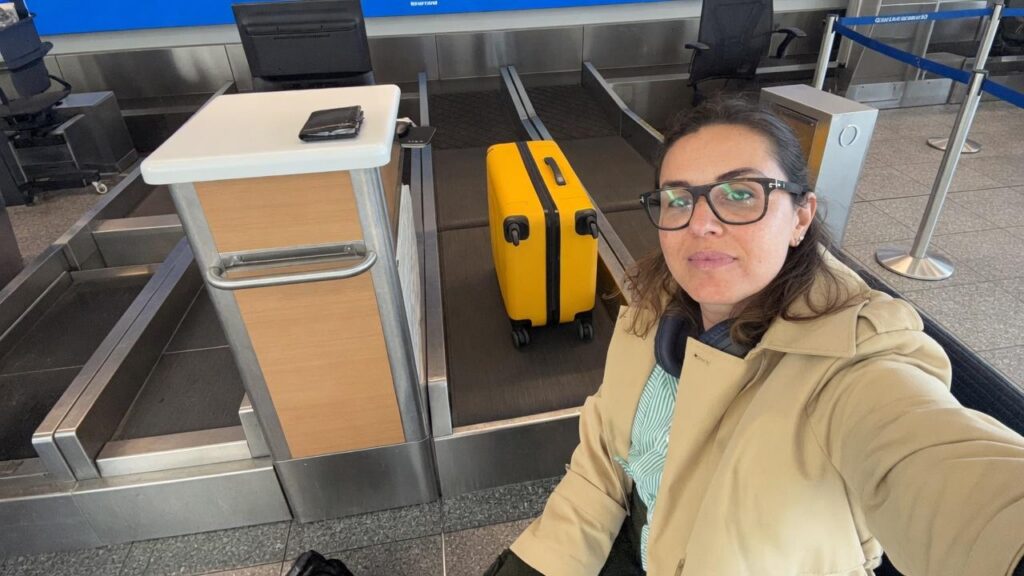
4. Observe Your Bag During the Check-In Process Whenever possible, watch your bag as it moves from the check-in counter to the conveyor belt or luggage cart. This simple act provides peace of mind, knowing that your bag is on the correct path from the start. If you notice anything unusual, alert airport staff immediately. For insights on this practice, see Why Monitoring Your Luggage at Check-In Matters.
5. Utilize Priority Tags If Eligible If you have airline elite status or are flying in a premium cabin, your luggage may be eligible for priority handling. Request that priority tags be placed on your bags, which can result in your luggage being among the first to be loaded and unloaded. This reduces the time your bags spend in transit and the opportunities for mishandling. To learn more, see Benefits of Airline Priority Baggage Services.
Make Your Luggage Stand Out

A distinctive bag is less likely to be mistaken for someone else’s and can be quickly identified if lost. Making your luggage easily recognizable is a simple yet effective strategy. Here’s how to personalize your bags:
1. Use Unique and Durable Luggage Tags Attach a sturdy luggage tag with your updated contact information, including your name, phone number, and email address. Opt for tags that are colorful, uniquely shaped, or customized with designs that reflect your personality. This not only makes your luggage stand out but also assists airline staff in contacting you if needed. For unique tag options, see Creative Luggage Tags to Personalize Your Suitcase.
2. Decorate Your Bag with Distinctive Features Add personal touches to your suitcase, such as colorful ribbons, stickers, patches, or brightly colored luggage straps. Some travelers use custom luggage covers with distinctive patterns or images. These enhancements make your bag easily identifiable on the carousel and reduce the chance of someone else picking it up by mistake. For ideas, see How to Decorate Your Luggage for Easy Identification.
3. Include Contact Information Inside Your Bag In addition to external tags, place a card inside your luggage with your contact details and itinerary. If the exterior tag is lost or damaged, this internal information can help airline staff identify your bag. For added security, you might include a business card or a photocopy of your passport information page. Learn more at Why You Should Place Contact Information Inside Your Luggage.
4. Photograph Your Luggage Before Departure Take clear photos of your luggage from multiple angles, highlighting any unique identifiers or decorations. In the event your bag goes missing, these images can assist airline staff in locating it more efficiently by providing a visual reference. Keep the photos readily accessible on your smartphone or cloud storage. For tips, see How to Photograph Your Luggage for Quick Recovery.
5. Avoid Overused Luggage Styles and Colors Consider choosing luggage that stands out in terms of style and color. While black suitcases are common, selecting a bag in a less typical color like bright blue, red, or patterned designs can make identification easier. For recommendations, check out Unique Luggage Styles to Stand Out at the Baggage Claim.
Leverage Technology for Peace of Mind

Advancements in technology have made tracking luggage easier than ever. Utilizing these tools can provide real-time updates on your bag’s location and alleviate travel anxiety. Here’s how to leverage technology to keep tabs on your luggage:
1. Use GPS Luggage Trackers for Real-Time Monitoring Devices like Apple AirTags, Tile trackers, or other GPS-enabled luggage trackers can be placed inside your bags, allowing you to monitor their whereabouts using your smartphone. These devices utilize Bluetooth and GPS technology to provide real-time location data. This can be especially reassuring during layovers or when your bag doesn’t appear on the carousel promptly. For a comparison of popular trackers, see Best GPS Luggage Trackers for Stress-Free Travel.
2. Utilize Airline Baggage Tracking Apps and Services Many airlines offer apps and services that allow you to track your luggage throughout your journey. By scanning the baggage tag at check-in, these apps provide updates on your bag’s status and location during transit. Sign up for these services to receive notifications, and familiarize yourself with the app’s features before your trip. For more information, refer to Guide to Airline Baggage Tracking Apps and How They Work.
3. Keep Baggage Receipts and Claim Tickets Secure Hold onto the luggage claim tickets provided at check-in, as they contain important tracking information that is essential if you need to file a missing luggage report. Consider taking a photo of the claim ticket in case the physical copy is lost. For advice on managing travel documents, see Organizing Travel Documents for a Hassle-Free Trip.
4. Consider Travel Insurance with Baggage Coverage Travel insurance policies often cover lost, delayed, or damaged luggage, providing financial protection and assistance in recovery efforts. Review policy details carefully to understand the coverage limits, claim procedures, and any exclusions. Some credit cards also offer travel protection benefits when you use the card to purchase your flight. For guidance on selecting a policy, see How to Choose Travel Insurance with Comprehensive Baggage Coverage.
5. Explore Smart Luggage Options Smart luggage equipped with integrated GPS tracking, USB charging ports, and electronic locks can offer additional convenience and security. However, be aware of airline restrictions regarding smart luggage with non-removable lithium-ion batteries. For more information, see Understanding Airline Policies on Smart Luggage and Batteries.
Plan Ahead to Avoid Potential Pitfalls

Advanced planning can greatly reduce the likelihood of losing your luggage. By anticipating potential challenges and taking steps to mitigate risks, you’ll set yourself up for a smoother travel experience. Here are proactive measures you can take:
1. Book Direct Flights or Allow Adequate Layover Time Choosing nonstop flights eliminates the risk of your luggage being misrouted during connections. If direct flights aren’t available or feasible, ensure you have ample layover time—preferably at least two hours—for your bags to be transferred between planes. Tight connections increase the risk of luggage not making it onto your next flight. For strategies on flight booking, see How to Minimize Luggage Loss Risk When Booking Flights.
2. Understand Your Airline’s Lost Luggage Policy Familiarize yourself with the airline’s lost luggage policy before you travel. Knowing the reimbursement procedures, claim deadlines, and your entitlements can expedite the resolution process if your luggage is delayed or lost. Keep a copy of the policy or bookmark it on your device for easy reference. For summaries of major airlines’ policies, refer to Airline Baggage Policies and Passenger Rights Explained.
3. Consider Shipping Your Luggage Ahead of Time For extended stays, events, or trips with multiple stopovers, consider shipping your luggage to your destination in advance using a reliable courier service. This can offer better tracking and accountability than traditional airline baggage handling. While it may be more expensive, the convenience and peace of mind can be worth it. For a comparison of services, see Shipping Luggage vs. Checking Bags: What You Need to Know.
4. Prepare for the Holiday Rush Strategically With the TSA anticipating screening 18.3 million passengers during peak holiday travel days, expect longer lines and potential delays. Utilize TSA PreCheck or Global Entry to expedite security screening if you’re eligible. Consider reserving a specific time slot for security if the option is available at your airport. Stay informed about airport conditions using apps or websites that provide real-time updates. For more strategies, see Surviving Holiday Airport Crowds: Tips and Tricks.
5. Stay Informed About Weather and Travel Advisories Inclement weather can cause flight delays and cancellations, increasing the risk of luggage mishandling. Monitor weather forecasts and sign up for airline alerts to stay informed about any changes to your travel plans. For guidance on handling disruptions, refer to How to Manage Travel Plans During Weather-Related Delays.
What to Do If Your Luggage Is Lost
Despite all precautions, luggage can still go missing. Knowing the appropriate steps to take can help you recover your belongings and reduce stress. Here’s what to do if you find yourself without your luggage:
1. Report the Issue Immediately at the Airport As soon as you realize your luggage is missing, head to the airline’s baggage service office, typically located near the baggage claim area. Provide them with your baggage claim ticket, boarding pass, and a detailed description of your luggage, including any unique identifiers. Share the photos of your bag if you have them. Prompt reporting increases the chances of recovering your luggage quickly. For more on this process, see Step-by-Step Guide to Reporting Lost Luggage.
2. Stay Calm and Communicate Clearly While it’s understandably frustrating to lose your luggage, staying calm and patient will help you communicate more effectively with airline staff. Remember that the agents are there to assist you. Provide all necessary information and ask about the next steps and timelines for updates. For tips on handling the situation, see How to Effectively Communicate with Airline Staff After Losing Luggage.
3. Inquire About Immediate Compensation and Essentials Many airlines offer immediate compensation for necessities if your luggage is delayed. Ask the airline representative about their policy regarding reimbursement for essential items like toiletries and clothing. Make sure to keep all receipts for any purchases you make as you’ll need them to file a claim. For details on typical compensations, refer to Understanding Airline Policies on Delayed Luggage Compensation.
4. Follow Up Diligently and Keep Records Obtain a copy of the missing luggage report and a reference number for your case. Keep detailed records of all communications with the airline, including dates, times, and names of representatives. Follow up regularly to check on the status of your luggage. Persistence can ensure your case remains a priority, increasing the likelihood of a swift resolution. For advice on following up, see Effective Strategies for Recovering Lost Luggage Quickly.
5. Know Your Rights and Compensation Limits Familiarize yourself with the legal rights of passengers regarding lost luggage, including compensation limits under the Montreal Convention for international flights and the U.S. Department of Transportation regulations for domestic flights. Understanding your rights can help you advocate for fair treatment. For detailed information, see A Traveler’s Rights: Compensation for Lost, Delayed, or Damaged Luggage.
Final Thoughts

Traveling during the holiday rush doesn’t have to be a stressful experience fraught with concerns about lost luggage. By implementing these comprehensive strategies—from packing smart and navigating the airport efficiently to leveraging technology and planning ahead—you can minimize risks and travel with greater peace of mind. Preparation and proactive measures are the keys to a seamless journey, allowing you to focus on the joys of the season. Remember, the goal is to enjoy your trip and create lasting memories without the worry of mishandled baggage. Wishing you safe and happy travels!
For more expert travel tips and industry insights, consider visiting us at BoardingArea. We provide valuable resources to ensure stress-free and enjoyable travel adventures, especially during the bustling holiday season.