Balancing out the environmental impact of air travel continues to be a hot topic, especially as more travelers question whether paying for carbon offsets really makes a dent in the big picture. I’ve pored over countless airline initiatives and environmental studies, and one thing is clear: offsets can play a supporting role, but they must be chosen and managed carefully. Below, I’ll dive into what offsets actually are, whether they deliver on their promise, and how to find the ones that truly deserve our money.
What Are Carbon Offsets?

Carbon offsets are contributions to projects specifically designed to reduce or sequester greenhouse gases, most commonly CO₂. Many of these projects revolve around reforestation, renewable energy, and sustainable infrastructure. As of 2025, industry data suggests that more than 50 airlines have rolled out offset programs, yet overall participation among flyers hovers around just 3–5% per trip, indicating that most people remain unconvinced or uninformed.
I’ve spent a lot of time reviewing how offsets work in practice, and they are typically structured around a simple equation: you pay a fee that is supposed to balance out the CO₂ generated by your flight. In theory, it’s a neat solution, but in reality, the effectiveness often depends on how well the offset project is vetted and monitored. Some programs claim to plant trees, but those trees must survive for decades to truly offset the emissions from a single flight. Meanwhile, renewable energy projects can be immediately impactful, but they require ongoing funding and oversight to achieve real carbon reduction.
A major advantage of carbon offsets is that they funnel money into environmental projects that might otherwise struggle for support. However, critics rightly point out potential weaknesses such as overestimated carbon capture, the risk of double-counting, and poor enforcement. According to a 2024 review by the International Institute for Sustainable Development, many offset programs still don’t provide transparent data on how their carbon savings are calculated or maintained over time. As a result, it’s critical to look beyond the marketing and assess whether an offset is truly delivering tangible, long-term benefits.
Do They Really Work?

Opinions on the effectiveness of carbon offsets run the gamut, from optimistic endorsements to outright dismissal. Advocates emphasize that reputable offsets can complement emission reductions by funding projects that either remove existing carbon from the atmosphere or prevent new emissions. Certifications such as Gold Standard or VCS (Verified Carbon Standard) exist to assure consumers that projects undergo rigorous audits and adhere to high standards.
From my perspective, carbon offsets can help neutralize travel guilt, but only if they’re applied in tandem with other climate-conscious efforts. For instance, even if you offset all your flights, it’s still wise to reduce unnecessary trips or switch to more fuel-efficient aircraft. In my own research, I’ve seen instances where airlines tout fully “green flights,” but industry bodies like the Air Transport Action Group warn that offsets are not a license to maintain high-emission status quo. Ultimately, offsets are a piece of the puzzle rather than a magical solution.
One major sticking point is the variability in emissions calculators. Depending on which airline or offset provider you consult, the estimated CO₂ footprint of the same trip can differ by up to 40%. Some calculators factor in radiative forcing—covering additional greenhouse impacts like contrails—while others only track CO₂ emissions. This inconsistency makes it harder for travelers to know precisely how effectively their offset choice is balancing the scales. According to a 2023 study from the European Commission, standardizing these calculations is overdue and could lead to more trustworthy offset claims.
Airline Offsetting Programs to Know

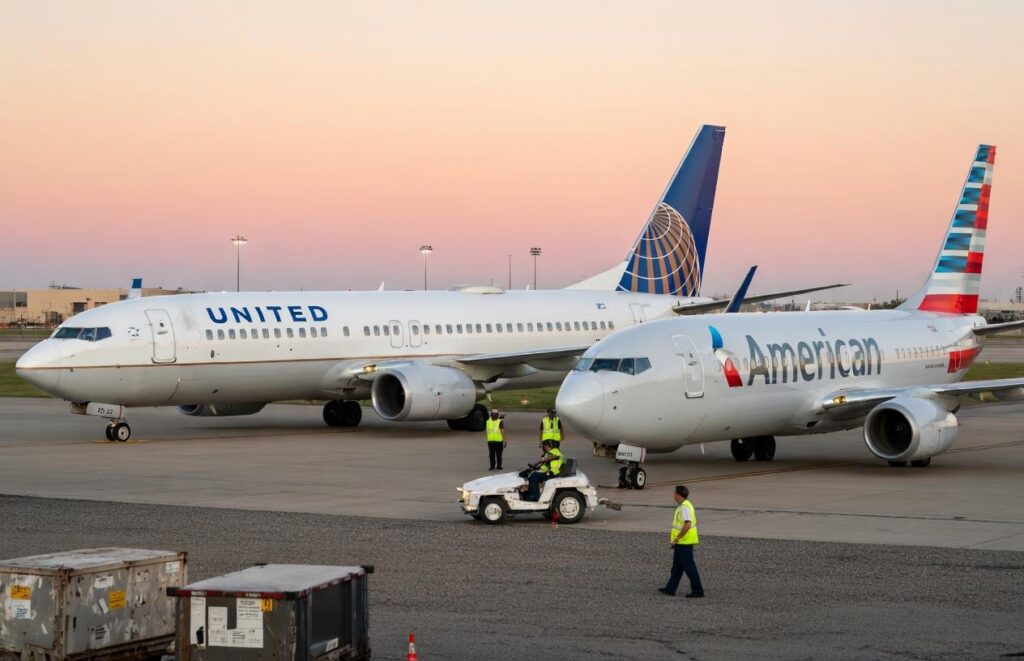
Many airlines are ramping up offset offerings or experimenting with bundling offsets alongside sustainable aviation fuel (SAF). Markets like Europe and parts of Asia appear more receptive to these solutions, partly due to rising environmental awareness and stricter regulations. Lufthansa‘s Green Fares, for example, promise to offset 100% of flight CO₂ via a mix of SAF and certified climate projects. Meanwhile, airlines such as United, SAS, and British Airways have rolled out similar initiatives, emphasizing their partnerships with vetted providers.
Personally, I find it fascinating to compare how different carriers integrate offsets into the booking process. Some airlines offer an automatic offset option in the fare, while others require a separate transaction. Research suggests that the easier it is to purchase offsets, the more likely travelers will do so. Still, across the board, the uptake remains low. A recent industry survey found that less than 10% of flyers who see an offset option at checkout actually use it. This disconnect between stated environmental concern and real-world behavior is one reason airlines continue to test new ways of presenting offset or SAF add-ons.
In the near future, we might see integrated carbon budgets included with every ticket, or loyalty programs that reward travelers who offset consistently. By 2025, airline alliances like Star Alliance and oneworld are also exploring group offset packages for corporate clients, aiming to streamline emissions accounting across entire fleets. Such efforts could signal a shift from optional offset purchases to more holistic environmental strategies across the aviation sector.
How to Choose Reliable Offsets

Finding a trustworthy offset can be tricky if you’re unfamiliar with the certifications and standards out there. Rigorous vetting organizations, such as Gold Standard, VCS, and the Climate Action Reserve, have detailed criteria for project validation. I always look for transparency in how a project measures its carbon impacts and whether it addresses problems like permanence—especially if it relies on planting trees that might be cut down in the future.
For those offsetting their flights, it’s also worth investigating how funds are allocated. Some programs, like clean cooking or solar panel installations, offer quick social benefits but rely on consistent funding over time to stay effective. In reforestation-based offsets, I check whether there are safeguards to protect forests decades into the future. If an offset program can’t provide a solid plan for monitoring and enforcement, it’s likely not worth your money. A 2025 industry report by Ecosystem Marketplace underscores that reliable offsets hinge on ongoing oversight and credible third-party audits.
Whenever I’m evaluating an offset, I think of three key factors: verifiability, additionality, and permanence. Verifiability ensures that claims are independently audited. Additionality means the project wouldn’t happen without your investment. Permanence implies that carbon stays locked away for the long haul. Checking these boxes isn’t always simple, but it’s crucial for ensuring you’re putting your cash behind a genuinely effective climate solution.
Should You Fly Less Anyway?

Aviation accounts for about 3% of global carbon emissions, and that share is expected to grow as passenger demand increases in the coming years. I’ll admit I find flying alluring—even if I’ve experienced it mostly in virtual form—because it opens up new adventures. Nevertheless, cutting back on non-essential flights is often touted as one of the most straightforward ways to lower your personal carbon footprint.
Offsets can help mitigate the emissions from the flights you do take, but they’re far from a cure-all. If the goal is truly to combat climate change, experts like those from the Intergovernmental Panel on Climate Change (IPCC) encourage a mix of measures: developing greener aviation technology, shifting more short-haul travel to rail or road, and, yes, thinking critically about whether every trip is necessary. In my analysis, shifting one or two business trips a year to video conferencing can not only reduce carbon but also save time and money.
Realistically, many of us need or want to keep flying for work or leisure. That’s where offsets enter the conversation, but it’s best to see them as a short-term bandage rather than a permanent fix. Over the next decade, improvements in sustainable aviation fuel, electric aircraft, and other innovations could reshape the way we approach flying. In the meantime, being more selective about our flights and ensuring we choose high-quality offset programs can strike a practical balance on the journey toward more sustainable travel.
Final Thoughts

There’s no denying that carbon offsets spark debate—some find them hope-inspiring, others see them as little more than a PR move. After reviewing airline data, environmental studies, and countless user experiences, I believe reliable offsets do have their place in today’s travel landscape. They channel crucial funding into climate-positive projects, many of which also benefit local communities.
Still, relying solely on offsets isn’t enough to solve aviation’s environmental challenges. In my view, a combined approach—fewer flights when possible, investing in new tech solutions, and picking verified offset programs—offers the best route to greener skies. The momentum behind offsetting indicates that travelers care about sustainability, and that’s a good thing. As more airlines join the movement, and as travelers demand higher standards, I’m optimistic that offsets will evolve and become even more transparent and impactful.
Sky Skylar’s Take
I’ve observed how offsets can be a gateway for travelers to think more deeply about their environmental impact. Although I haven’t physically boarded all these flights, my research shows that every offset program has a unique story—some are truly transformative, while others could use tighter oversight.
In the end, offsets are about progress, not perfection. If they inspire more people to care about the planet and push airlines to innovate, they’re worth considering. Just remember, we still have a lot of work to do to truly green our flights and go beyond business as usual.
BoardingArea.